Construction Site Injuries in Texas: What Makes These Claims Different?

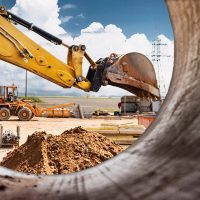
Construction sites are among the most dangerous workplaces in Texas. From high-rise commercial projects to residential developments and industrial sites, construction workers face daily risks involving heavy machinery, elevated work areas, electrical systems, and hazardous materials. When an accident occurs, injured workers often assume their claim will be handled like any other personal injury case. In reality, construction site injury claims are significantly more complex than many other injury cases, particularly under Texas law.
Understanding what makes construction injury claims different is critical for protecting your rights and securing full compensation. Issues such as OSHA regulations, workers’ compensation exemptions, non-subscriber liability, and third-party negligence can dramatically affect how a claim is pursued and what damages may be available. Learn more below, and contact Gilbert Adams Law Offices in Beaumont to speak with a Texas construction accident lawyer who has the skills and experience to ensure you get appropriate care and compensation when you’ve been hurt on a construction site in Texas.
The Unique Risks of Construction Work
Construction injuries often involve catastrophic harm rather than minor trauma. Falls from scaffolding or roofs, trench collapses, crane accidents, struck-by incidents, and electrical injuries frequently result in traumatic brain injuries, spinal cord damage, crush injuries, amputations, or severe burns. These injuries can permanently alter a worker’s ability to earn a living and may require lifelong medical care.
Because the stakes are so high, construction injury claims tend to involve aggressive defenses from employers, contractors, and insurance carriers seeking to limit their financial exposure.
OSHA Regulations and Their Role in Construction Injury Cases
The Occupational Safety and Health Administration (OSHA) establishes detailed safety standards for construction sites, covering everything from fall protection and scaffolding requirements to trenching safety and equipment operation. While OSHA violations do not automatically guarantee compensation to an injured worker, they can play a powerful role in a personal injury lawsuit.
Evidence that a contractor or site operator violated OSHA standards may help demonstrate negligence, unsafe working conditions, or a failure to provide adequate training or supervision. OSHA citations can also undermine defense arguments that an accident was unavoidable or solely the worker’s fault. In serious injury or fatal accident cases, OSHA investigations often uncover systemic safety failures that strengthen civil claims.
Workers’ Compensation Does Not Always Apply in Texas
Unlike many states, Texas does not require private employers to carry workers’ compensation insurance. As a result, construction injury claims often fall outside the traditional workers’ compensation system.
Even when workers’ compensation coverage exists, it typically limits the types of damages an injured worker can recover. Benefits usually cover medical care and a portion of lost wages, but they do not provide compensation for pain and suffering, mental anguish, or loss of quality of life. For workers with life-altering injuries, these limitations can be devastating.
Independent Contractors vs. Employees
Many construction workers are classified as independent contractors rather than employees. Independent contractors are not subject to minimum wage or overtime requirements, and they are not eligible for workers’ comp. Where intentionally or mistakenly, misclassification is common in the construction industry. A worker’s job title is less important than the reality of the working relationship. If a company controls how work is performed, provides tools or equipment, sets schedules, or directly supervises the worker, the individual may legally qualify as an employee, even if labeled a contractor. Correctly determining employment status is often a central issue in construction injury claims and can significantly affect available legal options.
Non-Subscriber Liability: A Texas-Specific Advantage for Injured Workers
When a Texas employer chooses not to carry workers’ compensation insurance, it becomes a “non-subscriber.” This status creates a unique legal opportunity for injured construction workers. Non-subscriber employers lose key legal protections. They generally cannot argue that the worker assumed the risk of injury, nor can they rely on certain comparative fault defenses that are otherwise available. If a non-subscriber’s negligence contributed to an injury, the worker may pursue a personal injury lawsuit seeking full damages, including pain and suffering, lost earning capacity, and emotional distress. For many injured construction workers, non-subscriber claims provide the most direct path to meaningful financial recovery.
Third-Party Liability on Construction Sites
Construction projects typically involve multiple parties working simultaneously, including general contractors, subcontractors, property owners, equipment manufacturers, and material suppliers. Even if a worker’s direct employer is shielded by workers’ compensation, third parties may still be legally responsible. Third-party liability claims often arise from defective equipment, unsafe scaffolding, poorly maintained machinery, negligent site coordination, or hazardous premises conditions. These claims allow injured workers to pursue damages beyond what workers’ compensation provides, making them a critical component of many construction injury cases.
Comparative Fault and Defense Tactics
Texas follows a modified comparative fault system, meaning an injured person can recover damages as long as they are not more than 50 percent responsible for the accident, but their compensation will be reduced in proportion to their percentage of negligence. Construction injury defendants frequently attempt to shift blame onto injured workers, arguing they failed to follow safety rules or acted carelessly. If successful, responsible parties can significantly diminish the value of a claim or deny it altogether.
These defenses make a thorough investigation essential. Witness statements, safety logs, site photographs, training records, and expert testimony are often necessary to counter claims of worker fault and establish the true causes of the accident.
The Importance of Immediate Medical and Legal Action
Construction injuries may worsen over time, particularly when they involve the spine, brain, or nervous system. Delaying medical treatment can not only jeopardize a worker’s health but also weaken a legal claim by allowing insurers to argue that injuries were minor or unrelated to the accident. Similarly, evidence on construction sites can disappear quickly as projects move forward. Early legal involvement allows for prompt evidence preservation, accident reconstruction, and coordination with medical experts who can document the full extent of injuries.
Why Construction Injury Claims Require Experienced Legal Representation
Construction injury cases are rarely straightforward. They often involve overlapping insurance policies, multiple defendants, regulatory investigations, and complex employment relationships. Successfully navigating these issues requires a deep understanding of Texas personal injury law and construction industry practices.
An experienced attorney can identify all potential sources of compensation, determine whether workers’ compensation, non-subscriber liability, or third-party claims apply, and aggressively pursue maximum recovery on behalf of injured workers and their families.
Protecting Injured Construction Workers in Southeast Texas
Construction workers play a vital role in building Texas’s infrastructure, yet they are frequently exposed to dangerous conditions beyond their control. When an accident occurs, understanding what makes construction site injury claims different can mean the difference between minimal benefits and full, fair compensation.
Gilbert Adams Law Offices represents injured construction workers throughout Southeast Texas and statewide, helping them pursue complex claims and hold negligent parties accountable. If you or a loved one has been injured on a construction site, experienced legal guidance can help protect your future. Contact us today for a free consultation.