
Surviving an 18-Wheeler Crash: The Unique Challenges of Big-Rig Wrecks in Texas
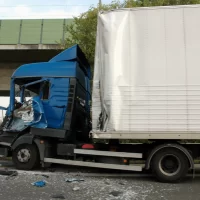
Collisions involving 18-wheelers are among the most devastating motor vehicle crashes on Texas highways. From Interstate 10 stretching through Beaumont and Houston to major freight corridors serving the Port of Houston and Gulf Coast refineries, commercial trucks are a constant presence across Southeast Texas. While these vehicles are essential to the state’s economy, the sheer size and weight of a fully loaded tractor-trailer create unique dangers when something goes wrong.
Surviving an 18-wheeler crash often marks the beginning of a complicated legal and medical journey. Big rig accident claims differ significantly from typical car wreck cases due to federal regulations, commercial insurance policies, cargo issues, and the potential involvement of multiple responsible parties. Understanding these unique challenges is critical for protecting your rights after a serious trucking accident in Texas. Learn more below, and contact Gilbert Adams Law Offices in Beaumont for help from an experienced and successful Texas truck crash injury lawyer.
Why 18-Wheeler Accidents Are More Severe
A fully loaded tractor-trailer can weigh up to 80,000 pounds, compared to approximately 3,000 to 5,000 pounds for a passenger vehicle. The physics of these collisions alone explains why injuries are often catastrophic. Victims frequently suffer traumatic brain injuries, spinal cord damage, internal organ injuries, multiple fractures, severe burns, or permanent nerve damage.
The design of large commercial trucks also contributes to crash severity. High ground clearance can result in underride accidents, where smaller vehicles slide beneath a trailer. Wide turning radii create blind spots, and the length of a trailer increases the risk of jackknife accidents or rollover incidents. When cargo shifts or spills, the consequences can be even more severe.
Cargo Loading and Securement Issues
Improperly loaded or unsecured cargo is a major factor in many 18-wheeler crashes. Commercial trucks carry everything from industrial equipment and lumber to hazardous materials and consumer goods. If cargo is unevenly distributed, overloaded, or inadequately secured, it can shift during transit. This shift can destabilize the trailer, leading to rollovers, jackknifes, or loss of control.
Federal Motor Carrier Safety Administration (FMCSA) regulations govern cargo securement and weight limits, and violations of these regulations can support a negligence claim. In some cases, responsibility for improper loading lies not with the driver but with a third-party shipping or freight company. Identifying who loaded the cargo and whether safety protocols were followed is a critical part of investigating a trucking accident claim.
Driver Fatigue and Hours-of-Service Violations
Fatigue is another leading cause of big rig crashes in Texas. Commercial truck drivers often face demanding delivery schedules, long routes, and financial pressure to maximize driving hours. Although federal regulations limit the number of hours a driver can operate without rest, violations still occur.
Electronic logging devices are required to track hours-of-service compliance, but records can be manipulated or incomplete. Fatigued driving impairs reaction time, decision-making, and situational awareness—factors that become especially dangerous when controlling an 80,000-pound vehicle traveling at highway speeds.
In crash investigations, reviewing driver logs, dispatch records, GPS data, and company scheduling practices can reveal whether fatigue played a role.
Multi-Party Liability in Big Rig Truck Wrecks
Unlike typical car accident cases involving one negligent driver, 18-wheeler crashes often involve multiple potentially liable parties. These may include:
- The truck driver
- The trucking company or motor carrier
- The cargo loading company
- The truck or trailer owner
- Maintenance contractors
- Manufacturers of defective vehicle components
Texas follows a modified comparative fault system, meaning injured victims can recover damages so long as they are not more than 50 percent responsible for the accident. In complex trucking cases, defendants frequently attempt to shift blame among each other or onto the injured party. A thorough investigation is necessary to determine how fault should be allocated and ensure the crash victim isn’t unfairly blamed.
Trucking companies are often liable not only for their drivers’ actions but also for negligent hiring, inadequate training, poor supervision, or failure to maintain vehicles properly. Maintenance failures involving brakes, tires, steering systems, or coupling devices can transform minor driving errors into catastrophic events.
The Role of Federal and State Regulations
Commercial trucking is heavily regulated at both the federal and state levels. In addition to FMCSA rules, Texas state regulations apply to motor carriers operating within state lines. Violations of safety standards, inspection requirements, or maintenance obligations can establish evidence of negligence.
Trucking companies and their insurers are typically well-prepared to defend claims. Rapid-response teams may be dispatched immediately after a crash to gather evidence and protect the company’s interests. Preserving critical evidence such as black box data, maintenance logs, and dash camera footage often requires swift legal action.
Complex Insurance Issues in 18-Wheeler Cases
Commercial trucking policies generally carry significantly higher coverage limits than standard auto policies. While this can mean greater potential compensation, it also leads to more aggressive defense tactics. Insurers may dispute the severity of injuries, argue pre-existing conditions, or attempt to secure quick settlements before the full extent of damages is known.
Victims of 18-wheeler crashes often face substantial medical expenses, long-term rehabilitation, lost earning capacity, and ongoing pain and suffering. Accurately calculating damages requires careful documentation of medical treatment, future care needs, and vocational impact.
Catastrophic and Long-Term Injuries
Many survivors of big rig crashes experience injuries that evolve over time. Spinal disc damage, nerve injuries, and traumatic brain injuries may not fully manifest immediately after the accident. Chronic pain conditions, psychological trauma, and reduced mobility can persist long after initial treatment.
Because these cases frequently involve long-term consequences, settling too quickly can result in inadequate compensation. A comprehensive evaluation of medical records, expert opinions, and projected future costs is often necessary before resolving a claim.
Wrongful Death Claims After Fatal Truck Collisions
Tragically, many 18-wheeler crashes result in fatalities. In Texas, certain surviving family members may pursue wrongful death claims seeking compensation for loss of financial support, companionship, and funeral expenses. These cases involve additional legal considerations and strict filing deadlines.
Why Big Rig Crashes Require Experienced Legal Representation
Truck wreck litigation combines personal injury law with complex regulatory compliance, commercial insurance structures, and detailed accident reconstruction. Successfully navigating these cases often requires working with accident reconstruction experts, trucking industry specialists, and medical professionals who can testify about long-term injury impacts.
For individuals injured in 18-wheeler crashes in Beaumont, Houston, and throughout Southeast Texas, understanding the unique challenges of big rig accidents is the first step toward protecting your rights. Prompt investigation, preservation of evidence, and strategic legal action are essential to pursuing full and fair compensation.
Gilbert Adams Law Offices represents victims of serious truck collisions across Texas, helping injured individuals and families hold negligent drivers and trucking companies accountable. If you or a loved one has survived an 18-wheeler crash, seeking knowledgeable legal guidance can help ensure that your claim reflects the true scope of your losses and future needs. Contact us today for a free consultation. There is no fee unless we win your case.