
Maritime & Offshore Injuries: Rights Under the Jones Act for Injured Seamen
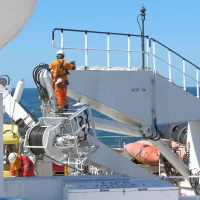
Offshore and maritime work in the Gulf of Mexico are among the most dangerous occupations in Texas. Workers on oil rigs, drilling platforms, production facilities, supply vessels, tugboats, and other offshore vessels face daily exposure to heavy machinery, volatile weather, hazardous substances, and physically demanding conditions. When serious injuries occur, maritime workers are often surprised to learn that their legal rights are very different from those of land-based employees.
For injured seamen working offshore around Houston, Galveston, and other Gulf Coast communities, the Jones Act injury lawyers at Gilbert Adams Law Offices help seamen navigate the tricky waters of admiralty and maritime law to get the care and compensation they need after being injured on the job. Learn more below about how this federal law applies and how it differs from workers’ compensation, and contact Gilbert Adams Law Offices in Beaumont for help protecting your health, income, and long-term financial security.
The Unique Risks of Offshore and Maritime Work
Maritime and offshore injuries result from a wide range of dangers, including falls on slick decks, crane and lifting accidents, equipment failures, explosions, fires, vessel collisions, and exposure to toxic chemicals. Long shifts, fatigue, and rapidly changing sea conditions increase the likelihood of mishaps, while the remote nature of offshore work can delay emergency medical care.
Many offshore injuries are catastrophic, involving traumatic brain injuries, spinal cord damage, crush injuries, amputations, severe burns, or permanent nerve damage such as complex regional pain syndrome (CRPS). These injuries can end a maritime career and permanently reduce earning capacity.
What Is the Jones Act?
The Jones Act is a federal law that allows injured seamen to bring personal injury claims directly against their employers. Unlike traditional workers’ compensation systems, the Jones Act is fault-based, meaning the injured worker must show that the employer’s negligence played some role, however small, in causing the injury.
This law applies to qualifying seamen working aboard vessels operating in navigable waters, including offshore rigs and vessels throughout the Gulf of Mexico. The Jones Act is especially relevant to offshore workers supporting oil and gas operations near Texas ports such as Houston, Galveston, Beaumont and Port Arthur.
Who Qualifies as a “Seaman” Under the Jones Act?
Not every offshore worker qualifies as a seaman, and this is often a contested issue in maritime injury cases. To qualify, a worker must generally spend a substantial portion of their work time contributing to the function or mission of a vessel in navigation.
This may include crew members on drilling vessels, jack-up rigs, semi-submersibles, supply boats, crew boats, tugboats, and other mobile offshore units. Workers permanently assigned to vessels, even if they perform industrial or technical roles, may still qualify as seamen under the law.
Employers frequently dispute seaman status to limit liability, making early legal analysis essential.
Employer Negligence Under the Jones Act
The standard for proving negligence under the Jones Act is more favorable to injured workers than in most personal injury cases. Even minimal negligence by an employer can support a claim. Examples of employer negligence may include failing to maintain safe equipment, inadequate training or supervision, unsafe work procedures, insufficient crew staffing, or pressuring workers to continue working in unsafe conditions.
Unsafe deck surfaces, defective tools, poorly maintained cranes, and inadequate fall protection are common factors in offshore injury claims. Fatigue caused by excessive work hours or understaffing is also a frequent contributor to serious accidents.
The Doctrine of Unseaworthiness
In addition to Jones Act claims, injured maritime workers may pursue claims based on the doctrine of unseaworthiness. Vessel owners have an absolute duty to provide a seaworthy vessel, meaning one that is reasonably fit for its intended purpose.
Unseaworthiness claims may arise from unsafe equipment, malfunctioning machinery, inadequate crew training, or dangerous working conditions aboard the vessel. Unlike negligence claims, unseaworthiness does not require proof that the owner was careless, only that the vessel or its equipment was unsafe.
Maintenance and Cure: Immediate Benefits for Injured Seamen
Regardless of fault, injured seamen are entitled to maintenance and cure benefits. Maintenance refers to daily living expenses while the worker recovers, while cure covers necessary medical treatment until the worker reaches maximum medical improvement.
Disputes frequently arise when employers prematurely terminate maintenance and cure payments or refuse to authorize appropriate medical care. Wrongful denial of these benefits can expose employers to additional legal penalties.
How Jones Act Claims Differ From Workers’ Compensation
Unlike workers’ compensation, the Jones Act allows injured seamen to recover full damages, including pain and suffering, mental anguish, loss of earning capacity, and future medical expenses. These claims are not limited to fixed benefit schedules.
However, Jones Act cases are often aggressively defended. Employers and insurers may attempt to minimize injuries, argue worker fault, or challenge seaman status. Experienced legal representation is essential to counter these tactics.
Comparative Fault in Maritime Injury Cases
Even if a seaman is partially at fault for an accident, they may still recover damages under the Jones Act. Any fault attributed to the worker merely reduces the recovery proportionally, rather than barring compensation entirely. This is particularly important in offshore environments where employers often attempt to blame injured workers for accidents caused by unsafe conditions.
Why Gulf Coast Maritime Injury Claims Require Experienced Counsel
Maritime injury cases involve complex federal laws, overlapping claims, and specialized medical and vocational evidence. They also require familiarity with offshore operations and industry standards specific to Gulf Coast oil and gas work.
For injured seamen in Houston, Galveston, Beaumont, and surrounding areas, choosing a law firm with experience handling offshore injury claims can make a significant difference in outcome.
Protecting Injured Seamen in Southeast Texas
Maritime workers play a vital role in the Gulf Coast economy, yet they face extraordinary risks in doing so. When an offshore injury occurs, understanding your rights under the Jones Act is critical to protecting your future.
Gilbert Adams Law Offices represents injured maritime and offshore workers throughout Southeast Texas and statewide. If you have been hurt while working on a vessel or offshore rig, contact our office for knowledgeable legal guidance that can help you pursue the full compensation the law allows.