
Oilfield Injury Claims Specific to the Gulf Coast Region
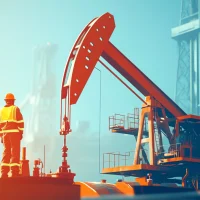 The Gulf Coast is one of the nation’s busiest energy-producing regions, with thousands of Texans employed in oil and gas exploration, drilling, refining, transportation, and support services. From onshore refineries, drilling sites and pipeline operations to offshore platforms in U.S. or international waters, these jobs help power the state’s economy. Unfortunately, they also expose workers to some of the most dangerous working conditions in any industry.
Serious oilfield accidents can leave workers with catastrophic injuries, permanent disabilities, and overwhelming financial burdens. While workers’ compensation may provide benefits in some situations, many injured workers also have the right to pursue personal injury claims against negligent third parties, including owners, operators, managers or other contractors. Understanding how oilfield injury claims work in the Gulf Coast region is an important first step toward protecting your legal rights.
For nearly one hundred years, the Gilbert Adams Law Offices have successfully represented injured oilfield workers and their families throughout Southeast Texas and statewide. We understand the unique legal and factual issues that arise in Gulf Coast oilfield injury cases and work to identify and recover every available source of compensation.
Why Oilfield Work Is Especially Dangerous
Oilfield operations involve heavy machinery, combustible materials, high-pressure equipment, hazardous and toxic chemicals, and elevated work areas often associated with demanding physical labor. Workers often perform their jobs in remote locations, under difficult weather conditions, and around multiple contractors operating simultaneously. These environments create numerous risks for serious accidents. A single equipment failure or safety lapse can result in devastating injuries affecting you and your family, often permanently.
The Gulf Coast’s concentration of refineries, chemical plants, pipelines, marine terminals, and offshore support facilities adds another layer of complexity. Oilfield workers frequently move between job sites, contractors, and employers, making it critical to determine exactly who was responsible for maintaining a safe workplace.
Common Causes of Oilfield Injuries on the Gulf Coast
Oilfield accidents occur for many reasons, but many are preventable through proper safety procedures and equipment maintenance.
Common causes include:
- Explosions and fires
- Blowouts and well control failures
- Equipment malfunctions
- Defective machinery or tools
- Falls from derricks, tanks, or elevated platforms
- Crane and heavy equipment accidents
- Electrocutions
- Pipeline failures
- Exposure to toxic chemicals and hazardous substances
- Transportation accidents involving company vehicles or commercial trucks
In many cases, more than one factor contributes to an accident, requiring a thorough investigation to determine liability.
Serious Injuries Commonly Seen in Oilfield Accidents
Because of the hazardous nature of oilfield work, injuries are often severe and life-changing. Workers may suffer traumatic brain injuries, spinal cord damage, severe burns, crush injuries, amputations, multiple fractures, eye injuries, hearing loss, or internal organ damage. Toxic exposure incidents can also lead to respiratory illnesses, neurological conditions, or other long-term health complications. Many injured workers require multiple surgeries, lengthy rehabilitation, and ongoing medical treatment. Some are permanently unable to return to the physically demanding work they were previously capable of performing, resulting in lost wages and loss of earning capacity.
Workers’ Compensation Is Not Always the Only Remedy
Texas is unique because private employers are not required to carry workers’ compensation insurance. However, most oilfield employers subscribe to the workers’ compensation system, while others operate as non-subscribers. Even when workers’ compensation benefits are available, they only cover some medical treatment and partial wage replacement but do not compensate injured workers for pain and suffering, emotional distress and many other losses. For these reasons, injured oilfield workers should never assume that workers’ compensation is their only source of compensation.
Third-Party Liability in Gulf Coast Oilfield Cases
Many Gulf Coast oilfield operations involve numerous companies working together on the same project, sometimes referenced by OSHA as a Multi-Employer Worksite. Drilling contractors, equipment manufacturers, pipeline companies, maintenance contractors, transportation providers, and property owners may all have responsibilities related to workplace safety. When someone other than the injured worker’s employer contributes to an accident, a third-party personal injury claim may be available. Examples include:
- A contractor that creates unsafe working conditions
- A manufacturer that produces defective equipment
- A trucking company whose driver causes a collision
- A property owner that fails to correct dangerous conditions
- A repair or maintenance company that improperly services critical equipment
In addition to workers’ compensation benefits, third-party lawsuits may allow injured workers to recover compensation for pain and suffering, mental anguish, loss of enjoyment of life, and other noneconomic damages, and the claims are not mutually exclusive.
Non-Subscriber Liability in Texas Oilfield Injury Cases
Texas is one of the few states that does not require most private employers to carry workers’ compensation insurance. Employers that choose not to participate in the workers’ compensation system are known as non-subscribers. If a non-subscriber employer’s negligence contributes to a worker’s injury, the employee may be able to file a personal injury lawsuit directly against the employer.
This is a significant distinction from workers’ compensation claims, which limit an employee’s ability to sue an employer. In a non-subscriber case, an injured worker may seek compensation for the full range of damages available under Texas personal injury law, including medical expenses, lost wages, diminished earning capacity, pain and suffering, mental anguish, physical impairment, and disfigurement.
Texas law also places non-subscriber employers at a disadvantage in certain respects. Unlike in ordinary negligence cases, a non-subscriber generally cannot rely on defenses such as assumption of the risk or argue that a coworker’s negligence caused the injury. As a result, if an employer failed to provide a reasonably safe workplace, proper training, adequate supervision, or safe equipment, an injured worker may have a strong basis for pursuing a claim.
Determining whether an oilfield employer is a workers’ compensation subscriber or a non-subscriber is an important part of evaluating any workplace injury case. In some situations, an injured worker may have claims against both a non-subscriber employer and one or more negligent third parties, making a thorough legal investigation essential to identifying every available source of compensation.
Offshore Oilfield Accidents May Involve Federal Maritime Law
Some Gulf Coast workers perform their duties offshore on drilling rigs, production platforms, vessels, or other maritime facilities in the Gulf. Depending on where the injury occurred and the worker’s job duties, federal laws such as the Jones Act or the Longshore and Harbor Workers’ Compensation Act (LHWCA)may apply instead of, or in addition to, Texas law. These cases involve unique legal standards, shorter deadlines, and different categories of recoverable damages compared to Texas-based personal injury claims. Determining which laws apply requires careful legal analysis based on the facts of each case.
Building a Strong Oilfield Injury Claim
Oilfield injury claims often require extensive investigation because evidence can disappear quickly after an accident. Important evidence may include incident reports, OSHA investigation findings, photographs of the accident scene, maintenance records, inspection logs, training documents, witness statements, surveillance footage, and electronic equipment data. Expert testimony frequently plays an important role, as well. Engineers, industrial safety professionals, accident reconstruction experts, vocational rehabilitation specialists, economists, and medical experts may all contribute to establishing liability and documenting the full extent of damages. Prompt investigation is especially important because faulty equipment may get repaired, accident scenes may change, and witnesses’ memories can fade over time.
Compensation Available in Oilfield Injury Cases
When a negligent party causes an oilfield injury, Texas law may allow recovery for both economic and noneconomic damages. Depending on the circumstances, compensation may include medical expenses, future medical care, lost wages, diminished earning capacity, rehabilitation costs, physical pain, mental anguish, physical impairment, disfigurement, and loss of enjoyment of life. If the accident resulted from particularly reckless conduct amounting to gross negligence, exemplary damages may also be appropriate. When an oilfield accident causes a fatality, surviving family members may have the right to pursue a wrongful death claim seeking compensation for their own losses.
Why Experienced Legal Representation Matters
Oilfield injury litigation is among the most complex areas of personal injury law. These cases often involve multiple defendants, overlapping insurance policies, sophisticated corporate legal teams, and extensive technical evidence. Insurance companies and large energy corporations frequently begin investigating accidents immediately. Their investigators are focused on limiting liability and protecting the company’s interests. Having experienced legal counsel early in the process can help preserve evidence, identify all responsible parties, coordinate expert analysis, and ensure that no potential source of compensation is overlooked. A thorough investigation often reveals that responsibility extends beyond a single employer, substantially increasing the compensation available to an injured worker or grieving family.
Frequently Asked Questions About Gulf Coast Oilfield Injury Claims
Can I file a lawsuit if I was injured working in a Texas oilfield?
If the injury was caused by another’s negligence, yes. Depending on the circumstances, you may have a personal injury claim against a negligent third party or, if your employer is a workers’ compensation non-subscriber, potentially against your employer as well.
What if my accident happened on an offshore platform?
Offshore accidents may be governed by federal maritime laws, including the Jones Act or the Longshore and Harbor Workers’ Compensation Act, rather than traditional Texas personal injury law.
Can I recover compensation beyond workers’ compensation benefits?
If another company or individual contributed to your injuries, a third-party claim may allow recovery for damages that workers’ compensation does not cover, including pain and suffering.
What types of evidence are important in an oilfield injury case?
Evidence often includes accident reports, OSHA findings, maintenance records, photographs, witness statements, safety manuals, equipment inspections, and expert analysis.
How long do I have to file an oilfield injury lawsuit?
The general statute of limitations in Texas is two years from the date of the accident or injury. If your employer is a non-subscriber to Workers’ Compensation, you might have signed an arbitration agreement with a shorter timeframe. Still other deadlines apply if your claim falls under the Jones Act or the LHWCA. The applicable deadline depends on the facts of your case and the laws that apply. Because important evidence can disappear quickly, it is best to consult an attorney as soon as possible after any accident.
Protect Your Rights After a Gulf Coast Oilfield Accident
A serious oilfield injury can affect every aspect of your life, from your health and finances to your family’s future. Whether your accident occurred at a drilling site, refinery, pipeline, offshore platform, or other Gulf Coast energy facility, understanding your legal options is essential.
At Gilbert Adams Law Offices, we are committed to helping injured workers and their families pursue the full compensation available under Texas and federal law. If you have been injured in an oilfield accident or have lost a loved one in a workplace tragedy, contact our office today to discuss your case and learn how we can help you move forward.